Why QSRs Are Adopting Composable Tech to Serve Fast Food Faster
Jul 15 2025 - By Member
By Voucherify
Quick Service Restaurants (QSRs) need speed and scalability to stay competitive, but many are held back by outdated, rigid systems. Composable architectures – so modular, API-first solutions – free restaurant brands from these constraints.
By integrating best-in-class tools for content, engagement, data, and promotions, QSRs gain flexibility and deliver better customer experiences. Below you’ll find real-world examples of how leading QSR brands use composable tech to switch up legacy systems without slowing down the line.
Think that your story should be here? Reach out to Julia Gaj.
Success Stories
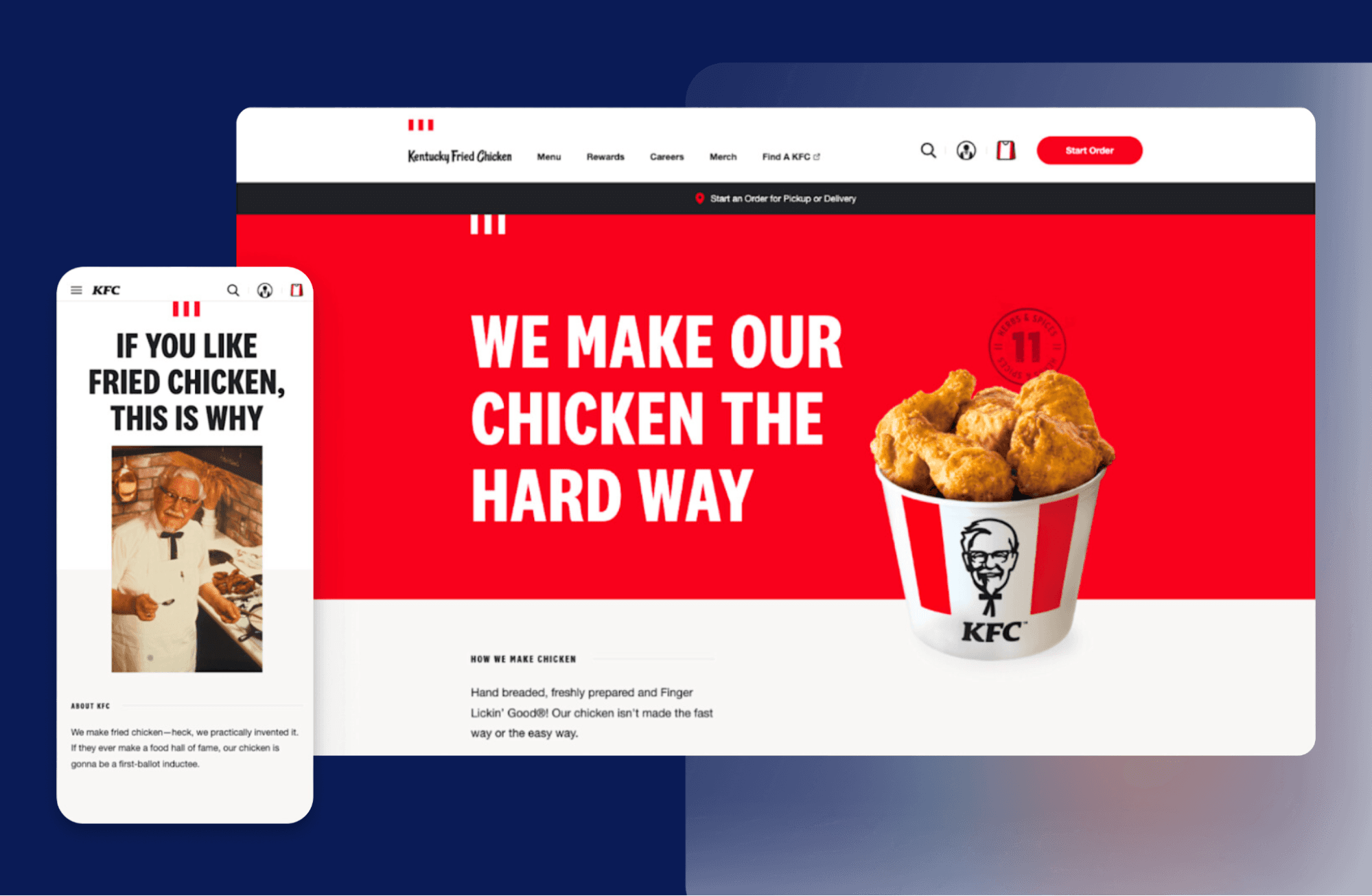
Scaling content – composable CMS success stories
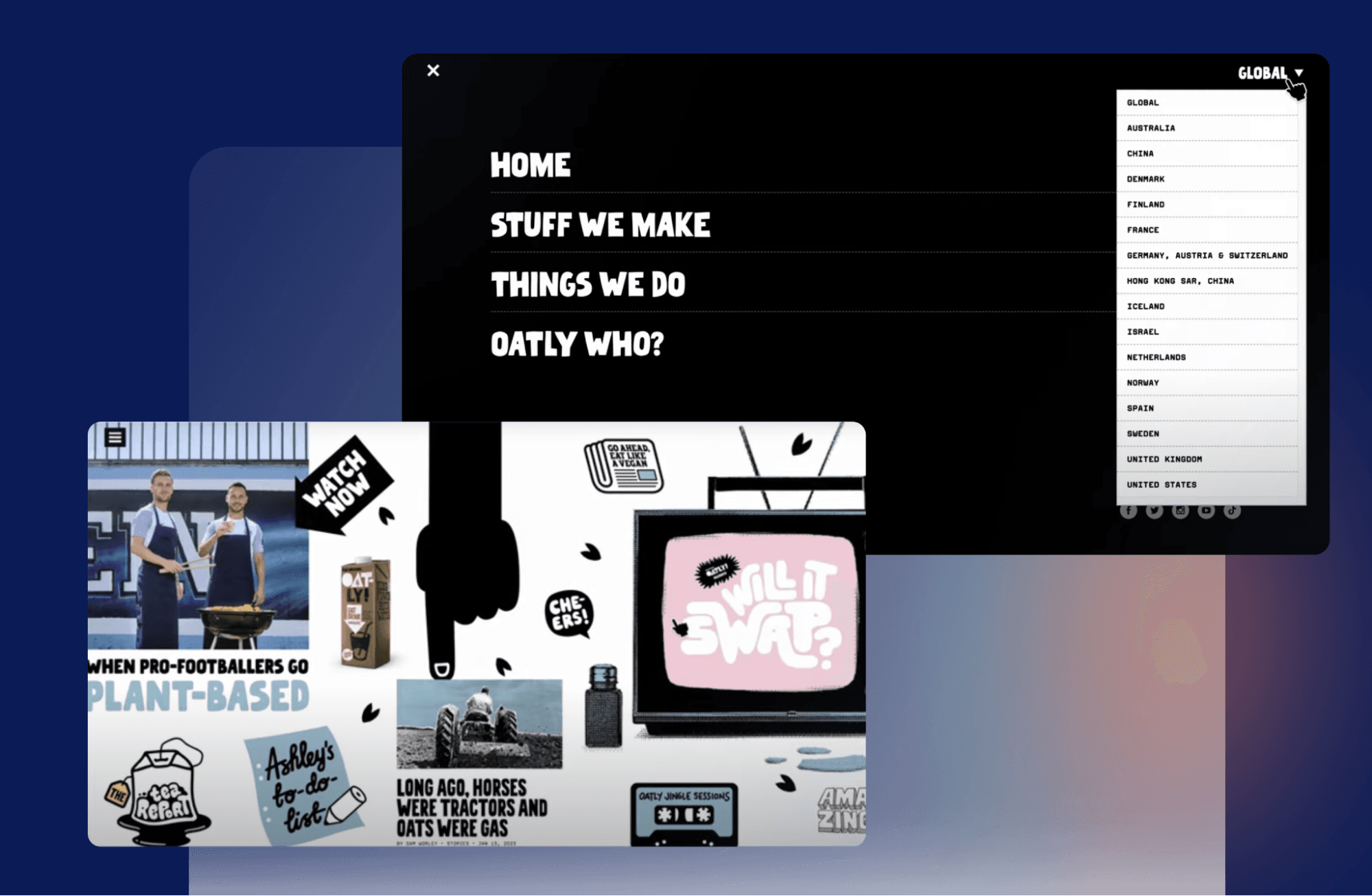
Scaling engagement – composable CEP success stories
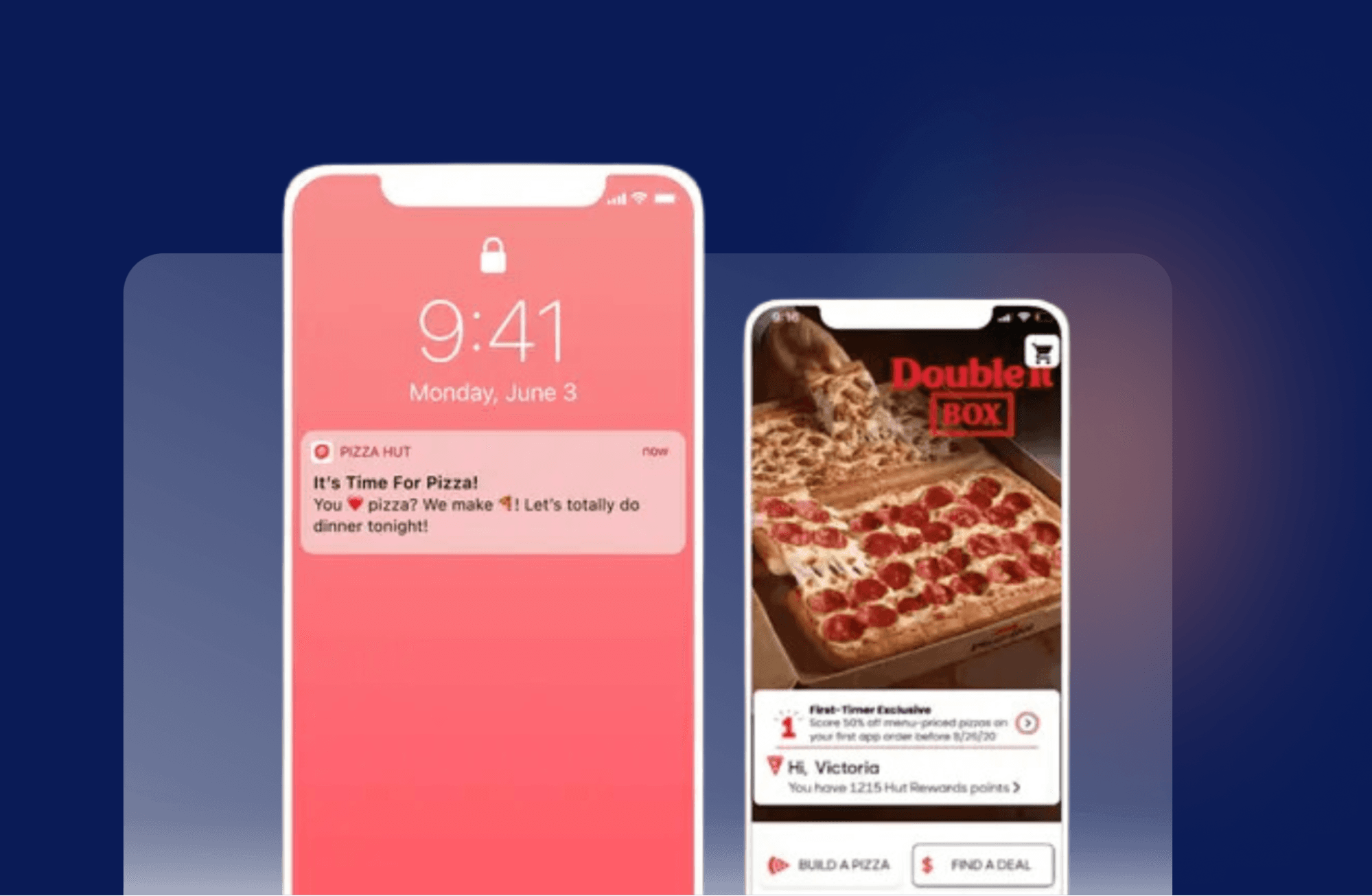
Scaling data – composable CDP success stories
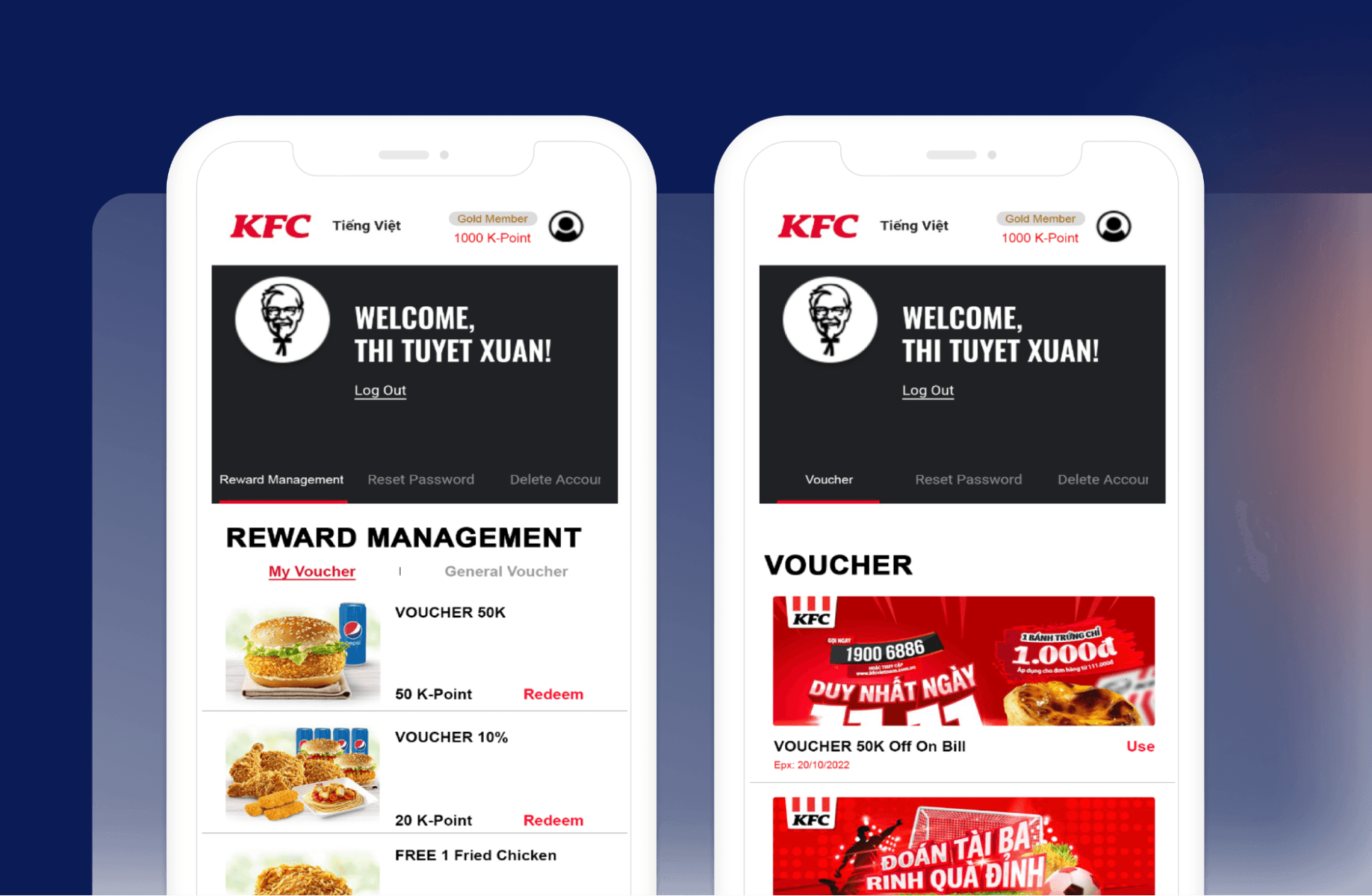
Scaling loyalty – composable Promotion Engine stories
Why MACH architecture is a game-changer for QSRs
Leading QSR brands are proving that embracing composable solutions and MACH architecture – Microservices-based, API-first, Cloud-native, and Headless – can significantly accelerate innovation. By moving beyond the limitations of monolithic systems, these restaurants gain the agility to launch personalized promotions, adapt quickly to market trends, and deliver seamless experiences across kiosks, apps, POS, and online channels.
Composable tech stacks empower QSRs to integrate best-in-class tools for content, customer engagement, data, and promotions management. This modular approach not only improves time-to-market but also ensures that every digital and in-store interaction can be tailored to individual customer behavior. For QSRs focused on long-term growth and loyalty, MACH isn’t just a tech trend, it’s a strategic foundation for staying competitive in a fast-moving industry.