Many QSRs collect massive amounts of customer data but struggle to use it effectively due to fragmented systems. Composable CDPs like Segment and mParticle help QSR brands unify their data, making marketing and personalization more effective.
How Domino’s reduces CAC with centralized data using Segment
Domino’s struggled with fragmented customer data spread across different systems. Without a single, unified view of their customers, marketing efforts were inefficient, leading to high acquisition costs and missed opportunities for personalized engagement.
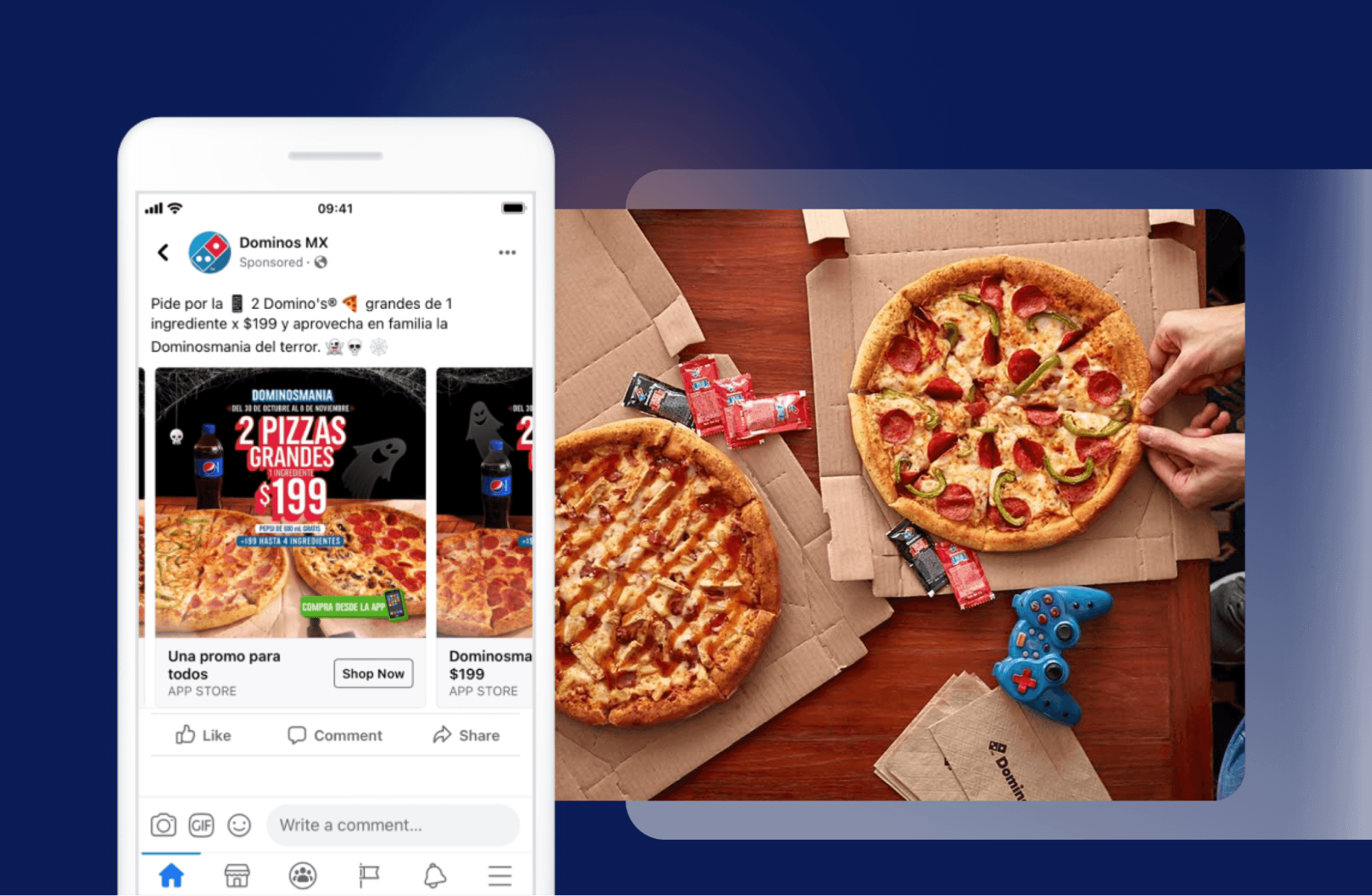
To address this, Domino’s partnered with Twilio Segment to create a unified customer view by consolidating data from multiple touchpoints. This integration enabled the marketing team to build hyper-personalized audiences using a Recency, Frequency, and Monetary (RFM) model, enhancing the effectiveness of cross-sell and upsell campaigns. By deploying Twilio Engage, Domino’s could easily activate these audiences across platforms like Facebook and Google Ads, optimizing ad spend and improving return on ad spend (ROAS).
By centralizing their data, Domino’s cut customer acquisition costs by 65%, saw a 23% increase in Facebook conversions for new customers, and achieved a 16% boost in retention rates. These improvements showed how leveraging a unified data platform can make marketing more effective while reducing costs.
How Burger King drives app engagement with real-time data using mParticle
Burger King wanted to boost mobile app downloads and encourage customers to order through the app. To stand out in the competitive fast-food market, they needed a unique way to attract users and drive engagement.
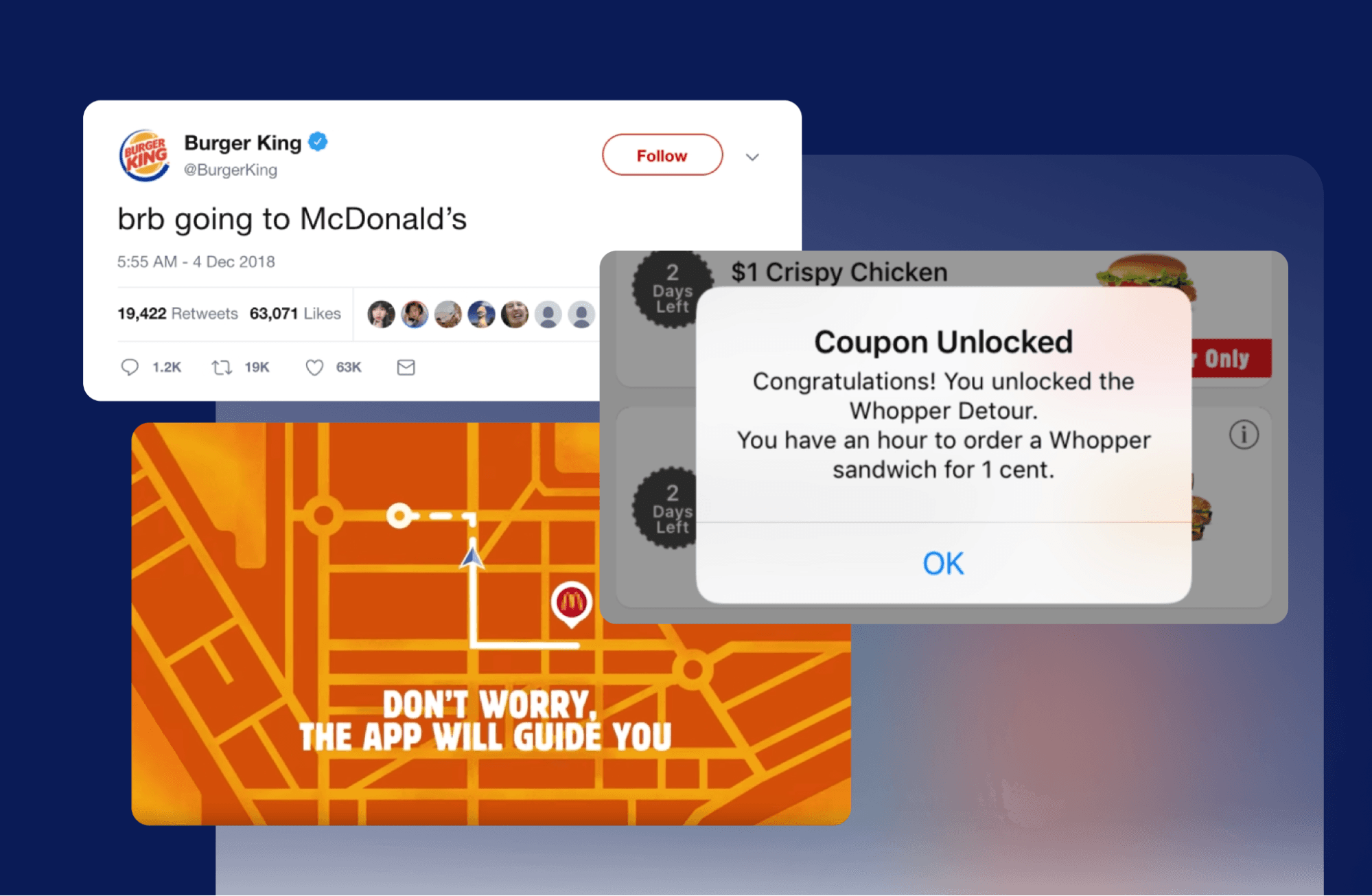
Partnering with mParticle, a customer data platform, Burger King launched the "Whopper Detour" campaign. This promotion offered customers a 1-cent Whopper if they placed an order through the Burger King app while within 600 feet of a McDonald's. Utilizing geofencing technology, the app detected when a customer was near a McDonald's and triggered the special offer. This not only incentivized app downloads but also redirected potential customers from competitors to Burger King's own locations. The campaign required integrating geolocation data, push messaging, and real-time analytics, all carried out through mParticle's platform.
The "Whopper Detour" campaign was a massive success. It generated 1.5 million app downloads in just nine days, pushing the Burger King app to the top of app store charts. Additionally, mobile order sales jumped by 54%, proving how geotargeting and innovative promotions can drive engagement and increase sales.