
The four stages of AI readiness: From resistant to optimized
Dec 8 2025
By Jason Cottrell, President, MACH Alliance
The technology is five years ahead of our ability to adopt it. That's the reality we're living in right now. AI capabilities racing forward while organizations struggle to keep pace. There's incredible pressure to move fast, implement everything, transform overnight. But here's what that pressure misses: human systems don't work that way. Enterprise buying cycles don't work that way. Change doesn't work that way.
This gap between technology and adoption presents an opportunity. It's breathing room, if we understand how readiness works. Because AI adoption follows a progression through distinct stages that everyone experiences. Nobody skips ahead.
The four-stage reality of AI adoption
We've adapted a readiness framework at Orium that maps how people actually move through AI adoption. It runs from needs activation (what others might call resistant) through exploring, implementing, and finally optimized, where you're truly capable of rethinking processes and building transformative systems.
Here's the thing: everyone goes through all four. Nobody jumps to that fourth spot. I certainly didn't. Everybody starts at the first. And when you can recognize and acknowledge that, you can have a conversation instead of a mandate. You can figure out how to move people forward, okay, I'm starting to use this in some parts of my work, I can see some potential here, without expecting them to arrive fully transformed on day one.
Understanding how capability develops doesn't lower expectations. You wouldn't expect someone to be an expert in their profession without progression through stages of mastery. AI readiness works the same way. The question becomes: how do we move people through the four stages? How do we make it a dialogue without judgment? Everybody does this. So you're normal. Let's talk about how we maximize the potential for you.
Creating space for progression
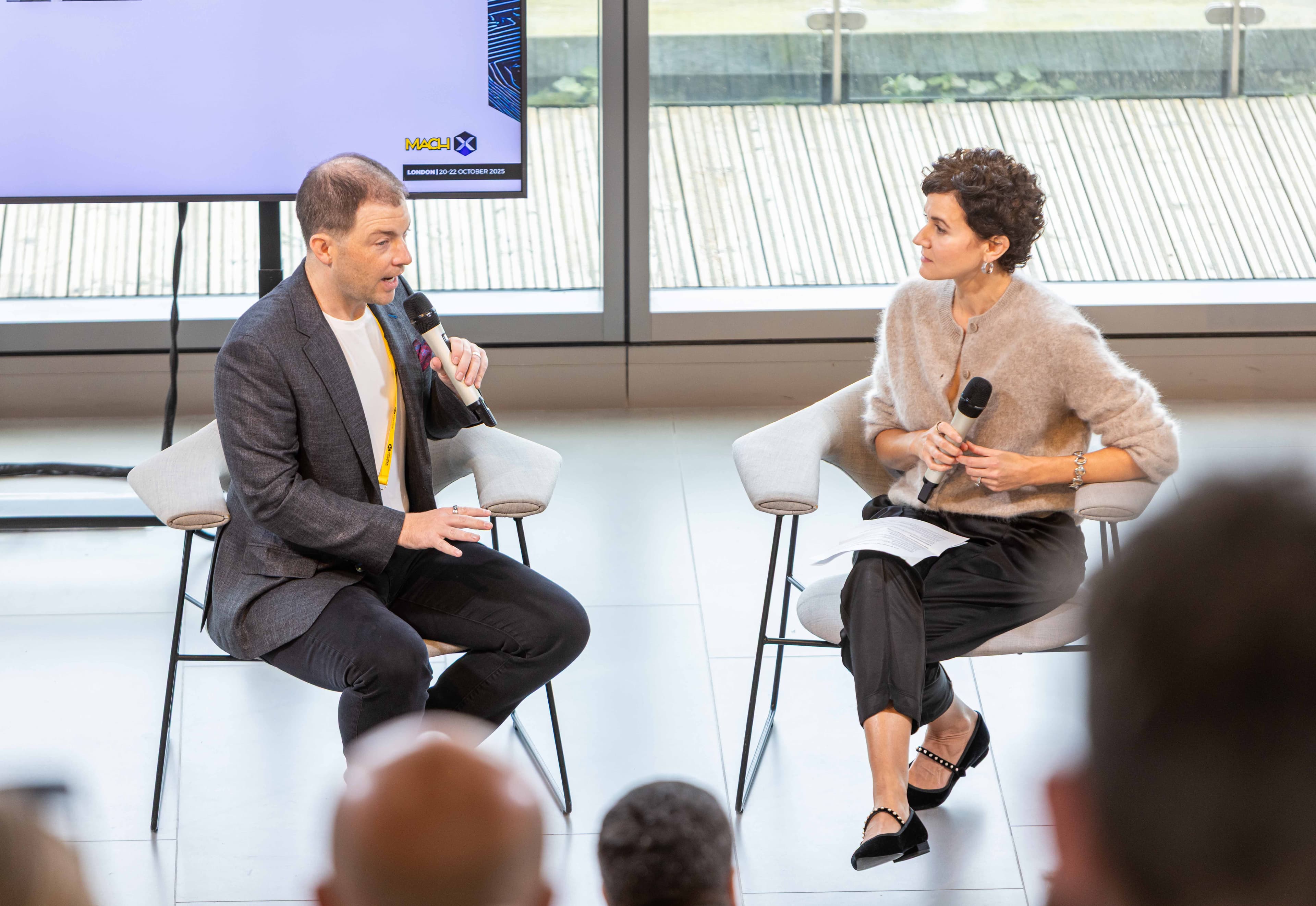
I don't think we're spending enough time helping our teams rethink their roles. We talk about AI transformation like it's something that just happens to organizations, but the work of moving people through readiness stages requires active leadership.
First, recognize where people are. Don't expect stage four behavior from stage one readiness. When you acknowledge someone is at stage one, they're hesitant, they're not sure this applies to them, they're worried about what it means for their work, you can meet them there without judging their starting point. That recognition creates the foundation for actual progress.
Second, normalize the progression. Make it a dialogue without judgment. The moment you say "everybody does this, so you're normal," you remove shame from the conversation. People can admit where they are without feeling like they're failing. They can ask questions without worrying they should already know the answers. That psychological safety is what allows movement.
Finally, guide people through progression actively. The train is leaving. We don't get to control the pace of the market. But where we do have space, staging change intelligently and being realistic with teams about what's required, that's how you bring people on the journey and keep them engaged. Create the conversations. Provide the frameworks. Give people permission to experiment in their domains without perfect outcomes.
This effectiveness matters more than speed. You can't force stage-skipping any more than you can force skill development.
When leaders skip the stages
When leadership expects instant transformation, when you mandate stage four thinking without supporting the progression to get there, teams feel judged. Resistance deepens. Good people who could thrive with proper support start looking elsewhere.
The false efficiency of trying to force readiness slows everything down. You lose institutional knowledge. You burn credibility. You create an environment where people hide their uncertainty when they need to work through it. And meanwhile, the actual work of integration and optimization stalls because you're fighting human nature instead of working with it.
The organizations that succeed help people move through stages deliberately. That achieves standards effectively.
The MACH advantage in staged adoption
MACH organizations recognize this progression reality. The composable approach naturally supports staged adoption in ways monolithic systems never could. You can start where teams are ready, expand as capacity grows, add sophistication as understanding deepens.
The modularity of MACH mirrors the modularity of human readiness. You don't need everyone at stage four simultaneously. Your customer service team might be optimizing AI-powered workflows while your supply chain is still exploring potential use cases. That's how organizations work. MACH architecture gives you the flexibility to meet teams where they are.
Organizations that built MACH foundations over the past five years have the architectural flexibility to support teams at different stages now. API-first design means AI tools can integrate as teams are ready. Cloud-native infrastructure means you can scale experimentation without massive upfront investment. Headless architecture means you add capabilities incrementally.
This is the natural advantage: systems that adapt to human pace, matching human readiness.
Leading through the stages
AI readiness develops through progression. There's no shortcut that skips the work of helping people move from resistance to exploration to implementation to optimization. That progression takes time, takes support, takes leadership that recognizes where people are and helps them move forward.
The safest place to be during change is on the forefront of it. But getting to the forefront means recognizing where your team is today and helping them move forward. Stage by stage, person by person. That's how transformation actually happens.
Author
Jason Cottrell is President of the MACH Alliance and CEO of Orium. Learn more about the agent ecosystem vision at agentecosystem.org