.png%3Ffit%3Dcover&w=3840&q=75)
.png%3Ffit%3Dcover&w=3840&q=75)
MACH X: Amsterdam
Agenda
29-30 September 2026
29-30 September 2026

Executive VP, EMEA at Bloomreach
Tjeerd Brenninkmeijer is currently Executive VP and leads Partnerships across EMEA and APAC at Bloomreach. He co-founded Hippo and scaled it from a three-person startup into a global company before its acquisition by Bloomreach. A frequent industry speaker, Tjeerd serves on the C-Suite Advisory Board of the MACH Alliance and supports the tech ecosystem as a mentor and investor. He holds a Master’s degree in Business Economics from the University of Amsterdam.
CTO at Netlify
Dana Lawson is the Chief Technology Officer at Netlify, where she leads the Engineering, Product, and Design teams to innovate and deliver transformative digital experiences. With over two decades of leadership at industry-leading companies like GitHub, Heptio, and New Relic, Dana has a proven track record of scaling teams, fostering collaboration, and navigating complex technical landscapes. Throughout her career, she’s worn many hats across the product lifecycle, showcasing her versatility and expertise building impactful technology solutions. Driven by a genuine passion for people, Dana infuses her leadership with a blend of technical expertise and a spirit of fun, creating an inspiring and dynamic work environment.

President at MACH Alliance
Jason Cottrell is the the President of the MACH Alliance and Founder & CEO of Orium, the leading composable and adaptive commerce consultancy in the Americas. He works closely with enterprise clients and strategic partners to prepare businesses for hybrid human–agent experiences. Under his leadership, Orium helps organizations modernize their technology foundations and unlock new levels of speed, scale, and intelligence in how they serve customers across channels.
Picnic was built as a software-native retailer, with technology spanning the full journey from farm to fork. MACH principles made that stack modular, scalable, and fast-moving, but AI agents change the equation: software no longer just exposes capabilities through APIs, it lets agents discover, orchestrate, and evolve them. Daniel Gebler, CTO of Picnic, shares what that shift has meant for Picnic's architecture in practice, and offers a framework attendees can use to assess where their own stack is ready for agentic orchestration, and where it isn't.
As JD Sports transforms the spine of its digital stack across every brand and region, the business is embracing composability. The driver is the customer: young, mobile-first, and quick to test whatever is new, from AI assistants to whatever discovery looks like next. Serving that customer means the flexibility to prioritize agentic services, new discovery tools, automated and enriched content, and optimization across surfaces we do not yet understand. Antonia Hansen of JD Sports will walk through how the stack is being rethought so JD Sports can move at the speed its customers are accelerating towards.
Virgin Media O2 has modernized its customer-facing digital estate by introducing composable capabilities across web, mobile and contact-center platforms while keeping critical legacy systems unchanged. This keynote explores how this pragmatic approach created the foundation for agentic services, supporting customers, business teams and technology colleagues as the CIO organization embarks on its next phase of transformation.

Head of Platform Innovation at Virgin Media O2
Award-winning creative technologist, speaker, and digital strategist with over 15 years experience pushing the boundaries of design and technology. He believes in building bold, breaking rules, and creating experiences that leave a lasting impact.
As adoption accelerates, it's time to move from reacting to proactively building a new operating model — how does a business create a new profitable model among a sea of constantly changing technology that changes performance and price almost daily?
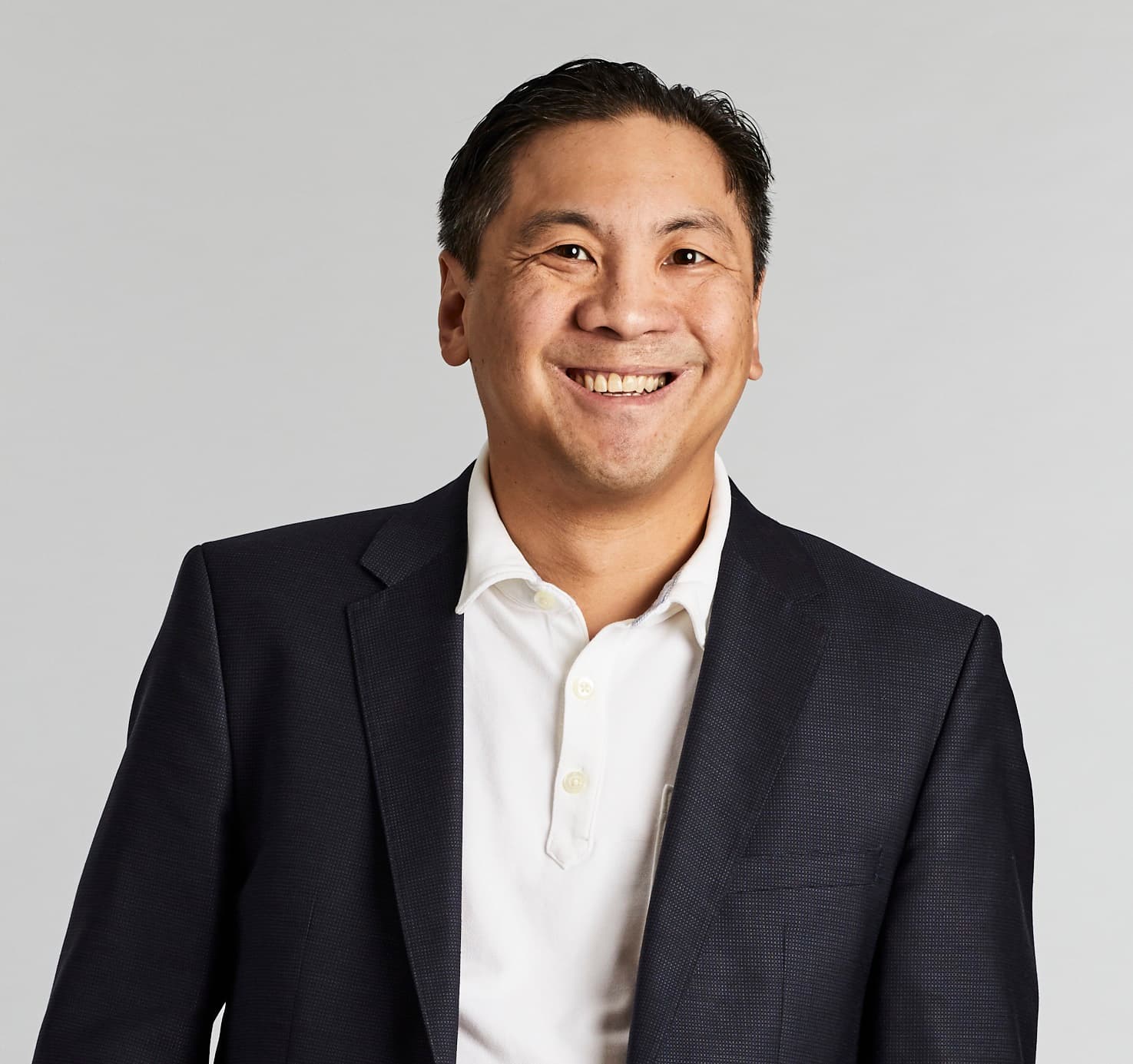
Speaker, Author, Lecturer, Data & AI Executive
Sam Wong is a highly requested speaker, trusted adviser and a seasoned instructor in the Data & AI space. He currently serves as the Senior Director of Data & AI at a large global beverage company where he also leads the AI Innovation Factory. Sam also serves on advisory boards at AWS and Ataccama. He recently was published with a number of international AI experts on the book, The AI Shift: Thriving in a World with Smart Machines and Robots.
In an increasingly rapid transformation of SaaS, tooling and commercials, the relationships between client and vendor will transform equally quickly. We start our track by asking those involved the key questions about accountability, hallucinations, outcomes, infrastructure and security.
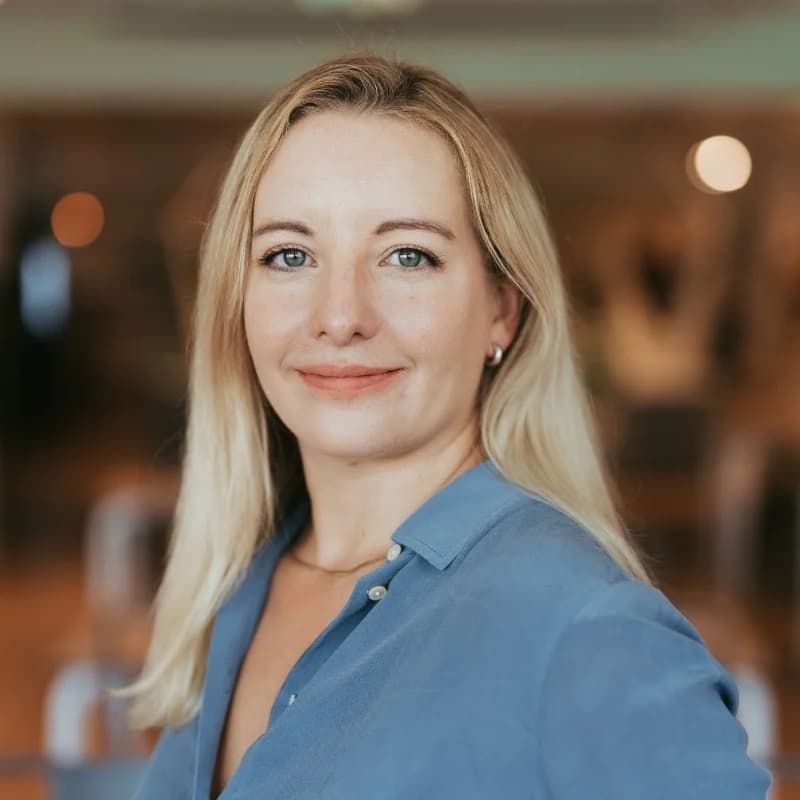
Director, Industry Solutions at MongoDB
Genevieve Broadhead is Director of Industry Solutions at MongoDB, with a particular focus on the retail sector. Her areas of expertise include leadership, artificial intelligence and generative AI, cloud computing and change management. Genevieve has been with MongoDB for more than five years and regularly contributes to discussions about the role of data and emerging technologies in retail.

CEO at Commerce
Travis Hess is CEO of BigCommerce. He joined as President in May 2024, bringing 15+ years of senior leadership at top commerce agencies and consultancies, including Accenture, where he was a managing director leading the firm's direct-to-consumer commerce offering and global Shopify partnership. Earlier, he was EVP at The Stable (acquired by Accenture in 2022), and before that chief commercial officer and then CEO of BVA, a leading DTC and Shopify agency (acquired by The Stable in 2021). He also held senior roles at LiveArea (now part of Dentsu/Merkle) as chief revenue officer and general manager, and at Amplifi Commerce. He has served on partner advisory boards for Shopify, Klaviyo, SAP/Hybris, and Rackspace, and was named one of Signifyd's 30 Most Influential in Ecommerce in 2022. Travis lives in Austin, is a father of two, and enjoys travel, golf, and the Miami Dolphins.

IT Director at Charles Tyrwhitt
Doug Wooten is IT Director at Charles Tyrwhitt, where he's led technology strategy since 2018. His background spans IT and infrastructure leadership across retail and hospitality, including roles at Azzurri Group (ASK Italian, Zizzi, Coco di Mama), Corney & Barrow, and Pret A Manger, where he built out global infrastructure across the UK, US, and Hong Kong. He holds a Bachelor of IT in Data Communications from Queensland University of Technology.
For eight weeks, the MACH Alliance community has been building alongside easyJet holidays, Dr. Martens, and Your Golf Travel solving for real problems: unifying review data, wiring an interactive points-of-interest map, triaging customer email with a human in the loop, building natural language search for trip planning, and an AI assistant that can carry a shopper all the way to a completed order.
This session is the first look at what they built: agentic AI tested against real data and real constraints. You'll see what worked, what didn't, and leave with patterns you can take back to your own team.
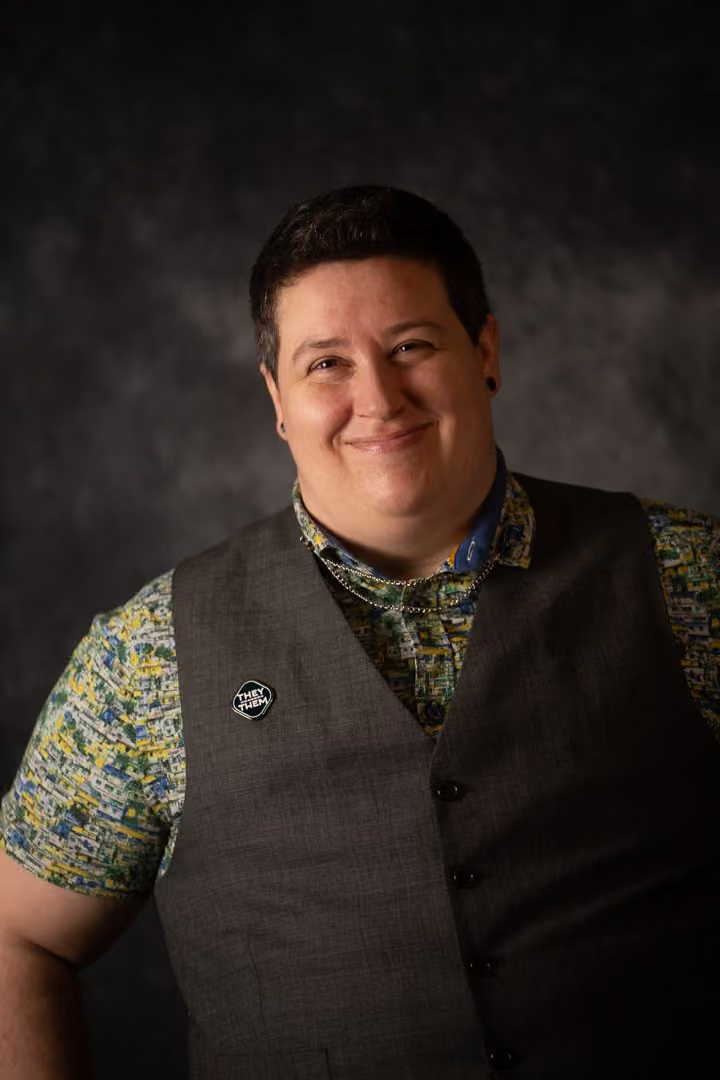
Co-Founder & CTO at Fidget Labs
Kerrigan Baron is Co-Founder & CTO of Fidget Labs, a MACH architecture and AI enablement consultancy based in the Netherlands. With over 20 years in enterprise digital transformation, they've led programs for global brands, including an 85% site speed increase across 1,000+ websites that earned MACH Impact Awards finalist recognition. Through the MACH Alliance, Kerrigan serves as Delivery Lead for the MACH Alliance AI Exchange, the program behind production-ready AI products now being released as open source for the ecosystem. Beyond the technical work, Kerrigan is a passionate LGBTQIA+ advocate in technology, leading allyship workshops, sitting on panels, and driving policy change through speaking events.

Head of Digital Product at easyJet holidays
Alex Black is Head of Digital Product at easyJet holidays leading Product and experimentation across Ecommerce and Customer. With previous roles at easyJet, NOW TV, BT and Sony, Alex has extensive experience of using data and customer insight to solve problems and create better customer experiences. She’s passionate about bringing product, technology, and creative thinking together to turn good ideas in to experiences that genuinely excite and work for customers.
flaconi has led Europe's online beauty market on a lean, composable stack since 2021: eight countries, strong revenue and margin growth, and a superb NPS throughout. Now, with agents in play, the business has bigger plans still: an experimentation lab in build, a lean team using AI to get leaner, and payments standardized globally on Adyen, live on Instant Checkout since August 2026. After Sven's keynote on the growth story, Adyen's Holly Worst joins him for a fireside on flaconi's agentic ambitions and where agentic checkout goes from here.


VP of Retail and Loyalty at Adyen
Holly Worst possesses over 16 years of retail experience across various functions, including strategy, product management, sales, and payments. Her extensive retail career has encompassed key positions at companies such as Bain & Company, Wolverine Worldwide, Worldpay, and, most recently, as the Vice President of Retail at Adyen. Holly's career journey, and the fact she's lived and worked on six continents, has allowed her to work with many of the leading global retailers and to bring a distinctive global perspective to the industry.
In a new shift — Louis will talk about the changes when reporting starts to arrive fully formed and without bias — decisions become better, fairer, and simpler. Who runs the business when you are truly data-driven?
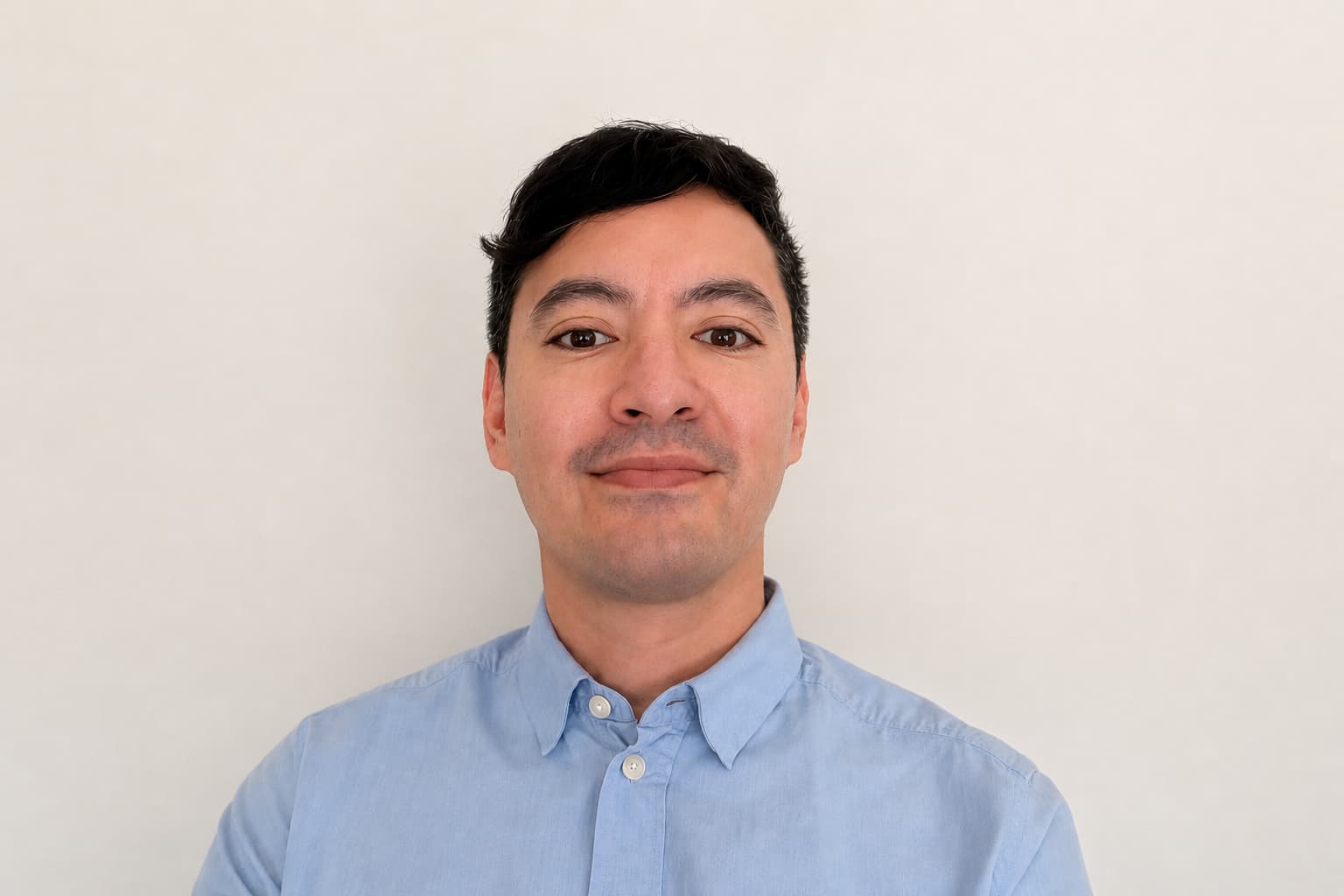
Technical Director at Loaf
In a world where leaders are expected to move faster without losing control, Louis is focused on how AI changes the way organisations understand, decide and operate. His work combines applied AI, foresight, modern data foundations, LLMs and MCPs with AI-enabled virtual advisory teams he has built and applied in focused decision-making contexts. The aim is to shorten feedback loops, challenge assumptions and make decisions that are better, fairer and simpler, without losing governance or judgement. This perspective is grounded in over 15 years of retail technology leadership across commerce, ERP, data, cybersecurity and operational platforms, alongside advisory work with technology partners including Noibu and Cylindo on product, strategy and market direction.
One of the first key areas of AI impacting the business is in business intelligence. The business wants "Claude" self-service BI, but this comes at some increased risk — albeit some lowered costs. We'll talk about commercial and technical risk, upside and where "control" lies in this new paradigm.

CTO at Hobbii
Tomas Antvorskov Krag is Chief Technology Officer at Hobbii, one of Europe's fastest-growing yarn and crafts e-commerce companies, where he leads a socio-technical transformation spanning composable architecture, an automated data foundation, and genuinely AI- and data-led decision-making. With more than 25 years of experience building digital products and teams, he previously served as CTO at NoA Ignite, advising major brands on omnichannel e-commerce architecture, and as Director of E-Commerce at Bang & Olufsen, where he grew the global D2C channel over 300% on a MACH platform that earned the MACH Alliance's Best Digital Experience Award. He is based in Copenhagen.
Most teams know agentic AI is coming but haven't actually built with it yet, which makes it hard to separate the real patterns from the hype. This lab opens with the four core agent architecture patterns, then moves straight into hands-on building with them. Open to business users and technical builders alike, attendees leave having built a working agent, not just watched a slide about one.
easyJet are deep in it, understanding how best to harness yet govern the myriad AI programs that are underway. Every element needs rethinking, from budgeting and partner contracts to model usage and "agent-to-agent" moments. Under the Chatham House Rule, the easyJet team will share where they have got to, and then we encourage a full and frank debate about where next.
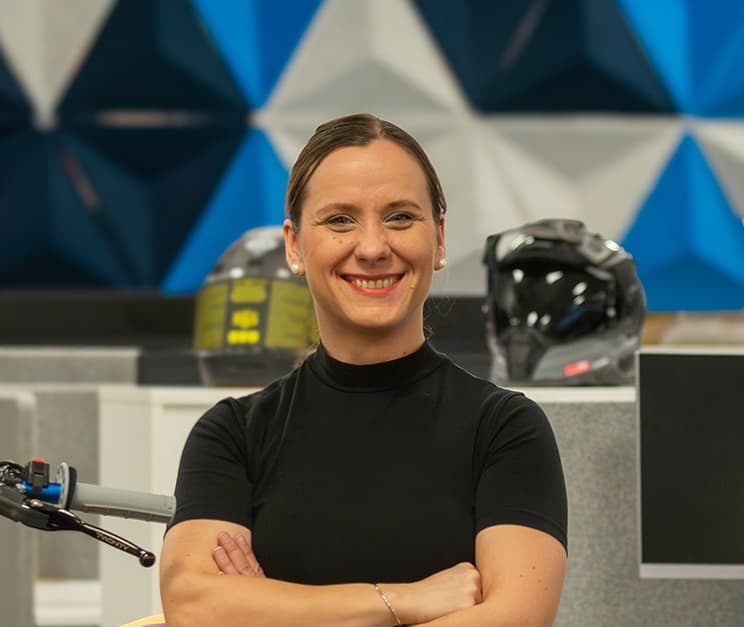
Emilija will offer an unfiltered walk-through of a total digital stack re-platform, with multiple "pivots" and all the genuine complexity of region, language, SKU and connectivity. She'll touch on why AI adoption doesn’t happen just because the CTO says so, and the joy of changing e-commerce vendor six months into a project. There were bumps (some closer to sinkholes) but it mostly worked out in the end. Come for the keynote — stay for the therapy session.
CTO at Pierce Group
Emilija will offer an unfiltered walk-through of a total digital stack re-platform, with multiple "pivots" and all the genuine complexity of region, language, SKU and connectivity. She'll touch on why AI adoption doesn't happen just because CTO says so, and the joy of changing e-commerce vendor six months into a project. There were bumps (some closer to sinkholes) but it mostly worked out in the end. Come for the keynote - stay for the therapy session.
Both Dr. Martens and Solventum have retained a monolithic platform in SAP, but decomposed elements and surrounded the core with AI components. These are stories that are "real life" for many brands, perhaps living with inherited core systems but ambitious to accelerate their digital journey and harness the new tools.

Global Digital Transformation Leader - Dental Solutions at Solventum
Tegan Snyder is Global Digital Transformation Leader, Dental Solutions at Solventum, working at the intersection of architecture, product, commerce, and AI. With a background spanning startups and large enterprises, Tegan gravitates toward messy, real-world problems where systems need to integrate, scale, and evolve. He started programming at age 10 and built several small businesses early on, including a web design company and a couple of ISPs, and he still thinks like a builder first. Lately he has been deep in agentic architecture patterns and how they fit into real systems: less interested in the hype, more interested in where they actually add value.
Security teams are increasingly being asked to help the business navigate new and unpredictable sources of threat, from unreliable data entering core systems to AI agents acting autonomously with potentially damaging consequences. Our panel of CISO and cyber leaders will debate accountability, pace of change and security leadership as a new paradigm emerges.
CISO at Siemens Industry Software Netherlands
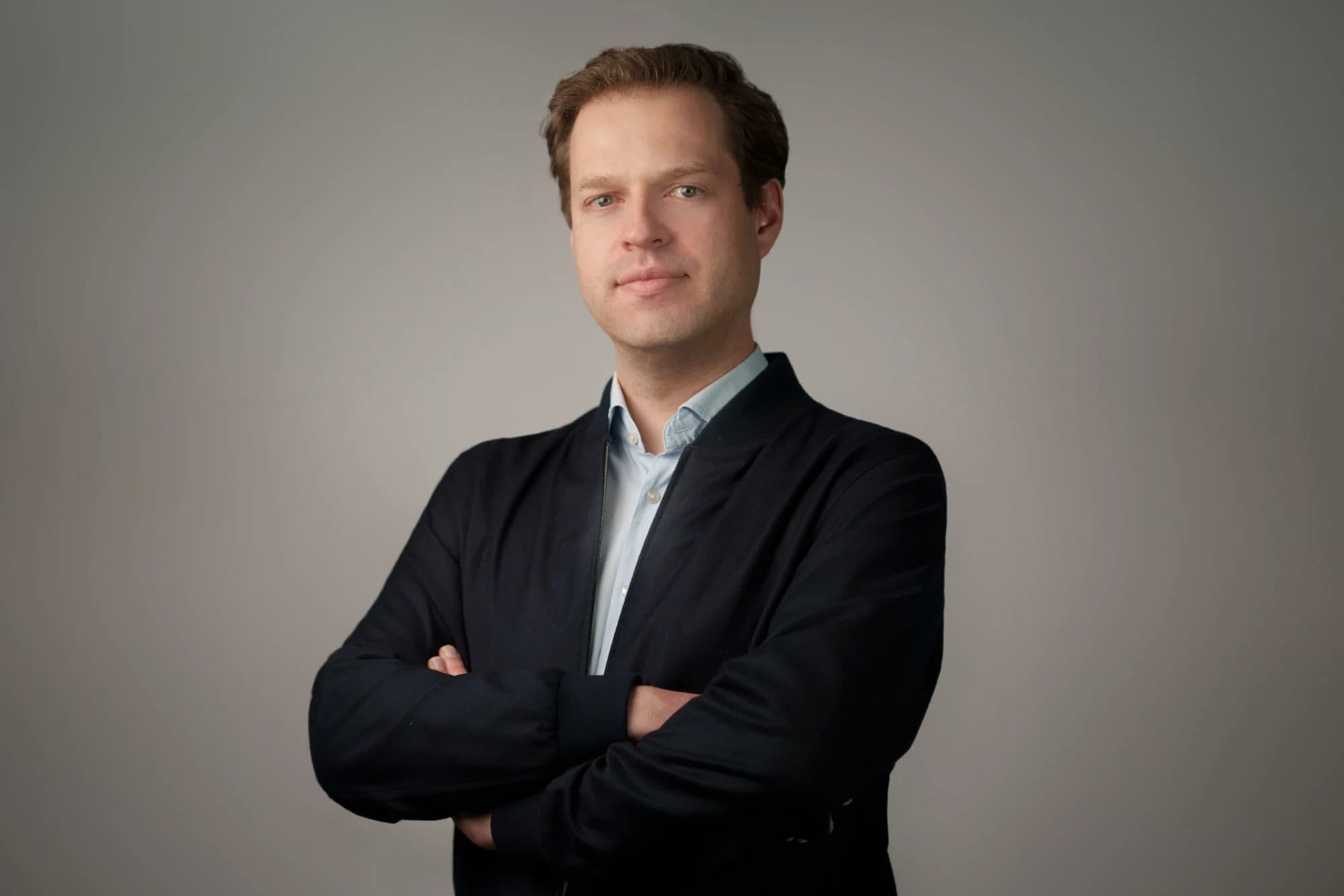
Frank Baalbergen is CISO at Siemens Industry Software Netherlands, part of Siemens Industry Software Netherlands, where he leads a team of 50+ professionals covering information security, certifications, attestations, quality, and product classification. He previously spent seven years as CISO at Mendix, guiding the company through milestones including FedRAMP authorization. Frank holds all nine ISC2 certifications and, in his free time, built Threat Surface, an external attack surface management tool aimed at making security visibility accessible to smaller organizations. He's based in the Netherlands.

CISO at Post Office Ltd
Neil Bennett is Chief Information Security Officer at Post Office Ltd, with nearly 30 years’ experience leading technology, cyber security, resilience and digital transformation across critical national infrastructure, government, healthcare and retail. He is helping drive major organisational, technology and security transformation at Post Office, with a focus on cyber resilience, modern security capabilities and the secure adoption of emerging technologies, including AI and is a founding member of the AIUC-1 consortium. Neil previously held CISO roles at the UK Home Office and NHS Digital, where he led enterprise cyber resilience and security operations transformations for nationally critical services, including during the COVID-19 pandemic.

Simon Edwards
Cybersecurity Architect at Charles Tyrwhitt
From school library computer nerd to five years in the British Army, Simon worked from 1st to 3rd line into technical consulting, architecture and cybersecurity, across government, finance, healthcare, education and retail. A developer in multiple languages for over ten years and 25 years overall, Simon is now Cybersecurity Architect at Charles Tyrwhitt, driving AI initiatives that build internal tools and strengthen security posture.
For ifm, a 57-year-old B2B hardware manufacturer, AI-powered selling didn't start with a chatbot, it started with data housekeeping. The team will show how turning 2.5 million scattered assets into a clean, automated content supply chain has become the unglamorous foundation for Smart Search, ifm's AI recommendation tool that now closes knowledge gaps its own product data can't. The takeaway: for B2B leaders chasing AI in sales, the real work is upstream.

VP Digital Sales and Services at ifm electronic GmbH
Mario Holt is Vice President Digital Sales and Services at ifm electronic, where he is responsible for the company's digital commerce and customer experience strategy. Before moving into digital marketing and transformation leadership, he spent more than a decade in product management, working closely with customers, sales teams, and market requirements. This background continues to shape his approach, combining a strong understanding of products and field sales with digital business development. Today, he focuses on advancing sales, service, and e-commerce capabilities, aligning business objectives with scalable technology solutions that support customer needs and sustainable e-commerce growth in more than 50 countries.

Project Lead E-Commerce at ifm electronic GmbH
Miriam Kniep is an experienced Project Lead and Product Owner at ifm, specializing in Digital Asset Management (DAM), Guided Selling, and digital transformation initiatives. With more than a decade of experience leading cross-functional and international programs, she bridges business requirements and technology to deliver scalable digital solutions that enhance customer experience and operational efficiency. In her role, Miriam drives strategic initiatives around content supply chains, AI-enabled asset management, guided selling, and product information delivery. She is passionate about transforming complex business challenges into user-centric digital products and has successfully led global implementations, migrations, and optimization programs across marketing and IT.
The models are now embedded in every engineering team, allowing for scale, speed and ambition for "owned" tech previously unheard of. Build to replace the SaaS? Upskill product teams to build agents that last? Our leaders from across engineering and product will take on this tricky and fast-moving subject.

Sr. Product Manager at Blacklane
Aanshi Desai is a Senior Product Manager at Blacklane with 10+ years of experience building digital products across mobility, eCommerce, marketplaces, and emerging technologies. She has led 0-to-1 launches and growth initiatives across consumer and B2B2C products, and today focuses on AI-powered experiences and agentic product workflows. Aanshi builds AI-native tools and workflows that automate product processes, accelerate experimentation, and help teams move from idea to execution faster. She is passionate about using AI to transform how product and engineering teams work, building agentic workflows that automate processes and accelerate product discovery and delivery.

Product Owner E-Commerce at Intergamma
Wietse Smits is Product Owner E-Commerce at Intergamma, focused on turning complex commerce and fulfilment challenges into scalable product capabilities. Previously, he worked on personalisation at Suitsupply, building data-driven product experiences across digital and in-store channels. With a background in software development, he naturally gravitates towards the trade-offs between product, technology and architecture. His recurring question: how much should you invest in making something reusable before you have actually proven its value?
PhotoSì have a newly minted approach towards customer incentives, created alongside partners their view is that loyalty has no place in digital, but targeted "agentic" incentives will yield better long term outcomes and will avoid brand damage through over-discounting.

Partner & Co-Founder at Innovate Marketing
Ory Adler is a Toronto-based Partner & Co-Founder of Innovate Marketing and a MACH Alliance Ambassador, with over 25 years of experience leading large-scale retail marketing and loyalty transformations across North America and Europe. Most recently serving as VP of Digital & Loyalty at Staples, Ory was the driving force behind the design, build, and launch of the Easy Rewards program. His career spans transformation leadership roles at Loblaw Companies, Sainsbury's, Cadillac Fairview, and LoyaltyOne, where he connected customer insights with digital strategy and technology to deliver measurable business impact. A strong advocate for open, composable technology architectures, Ory brings a rare combination of strategic vision, hands-on delivery experience, marketing know-how, and deep MarTech understanding to help retailers navigate the opportunities and disruptions that AI is bringing to commerce.

AI Enterprise Manager at PhotoSì
Simone Ciccioni is the Lead of AI Enterprise at PhotoSi. He drives the company's Data & AI Strategy, focusing on technological enablement, Search & GEO optimization, and GDPR compliance. In his role, Simone plays a crucial part in supporting PhotoSi's global e-commerce expansion by aligning artificial intelligence innovations and data-driven solutions with business growth, while ensuring strict privacy governance.

Customer Retention & Monetization Lead at PhotoSì
Alessandro Tripi is Head of CRM at PhotoSì, where he leads retention and lifecycle marketing. With over 10 years of experience in CRM, marketing automation, and lifecycle strategy, he works across DEM campaigns, Braze canvases, and Voucherify promotions to build data-driven customer engagement at scale. At MACH X: Amsterdam, Alessandro will share PhotoSì's journey adopting Voucherify as its incentive engine: the operational challenges that pushed the team beyond rigid, one-size-fits-all promotions, and the AI-composable solutions built on top of it in combination with Claude, Braze and Voucherify's new AI agent, Vincent.
An intense panel session focused on the core building blocks required to be successful in new discovery landscape: product data, owned content, and an understanding of the context of the landscape. The panelists will discuss social context, semantics and the new search models, and how brands can own their own contextual layer.
Founder at ContentValueChain.ai
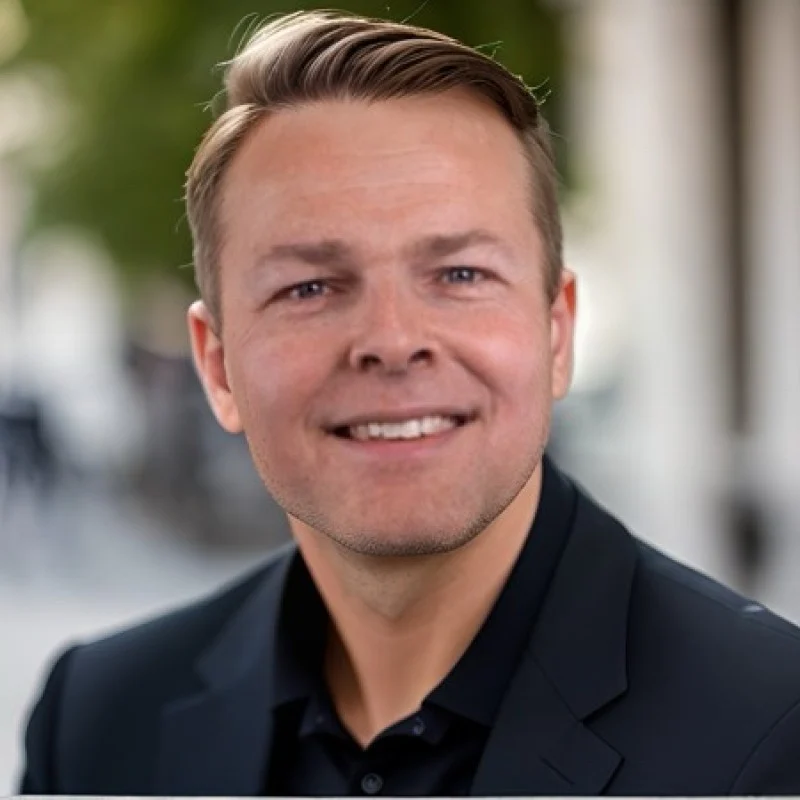
Michael Klazema is a content systems strategist and the author of The Content Value Chain, a book about how organizations need to redesign their content operating model for the AI era. He writes about content infrastructure, AI-enabled customer experience, governance, content operations, martech, DAM, CMS, personalization and the operating models required to make content scalable, trustworthy and measurable. Michael has worked for more than two decades at the intersection of content, marketing technology and digital experience. As Chief Marketing Technologist at EY, he helped organizations bring more direction and structure to front-office and customer experience technology stacks. His current work focuses on how generative AI and AI agents change the role of content inside organizations. He is also cofounder of the Martech Breakfast Club, an invite-only practitioner community for martech and experience technology leaders.

Global Head of Product, Marketing Content at H&M
Product leader at the intersection between Marketing & Tech. Track record of driving large-scale, software-intensive business operations and transformations across multinational organizations including H&M, Amazon, and Klarna. Experienced in leading international organizations (25-30+ FTEs) with accountability spanning strategy execution, operational performance, technology platforms, and business-critical systems that directly enable revenue, customer experience, and global scalability. Demonstrated ability to operate in complex, regulated, and high-growth environments, driving transformation, system-of-systems architecture, and cross-border collaboration. Recognized for combining strategic leadership with hands-on execution, aligning technology, people, and operations to deliver sustainable growth, resilience, and long-term capability development.
Accenture - AI: Does Adoption Beat Strategy?
Hosts - Markus Tillmann (Accenture Song)
Antonia Hansen (JD Sports Fashion)
Amplience - The Content Workflow Conundrum
Hosts - John Williams (Amplience)
Sezin Cagil (Dr. Martens)
Bynder - Building Content Assets That Can Be Trusted
Hosts - Luke Roberts (Bynder)
Tomas Antvorskov Krag (Hobbii)
Commerce - The Need for the Feed
Hosts - Anton Koval & Kieran Lane (Commerce)
Louis Adamou (Loaf)
Uniform - How Does AI Change Life for Content Teams?
Hosts - Jan Brigsted (Uniform)
Matthew Garrepy (CMS Critic)
Xiatech - Iterating Towards an AI Enabled Stack
Hosts - Jonathan Summerfield (Xiatech)
Emilija Frew (Pierce Group)
The role of architects is fundamentally changing. Underlying technologies might remain relatively unchanged for a while, but the avalanche of new tools and new data flows needs a constant level of oversight & planning. Our architects discussion will work through the challenges, and establish ways in which we can all deal with the influx of new native AI.
Director Digital Architecture at Rituals
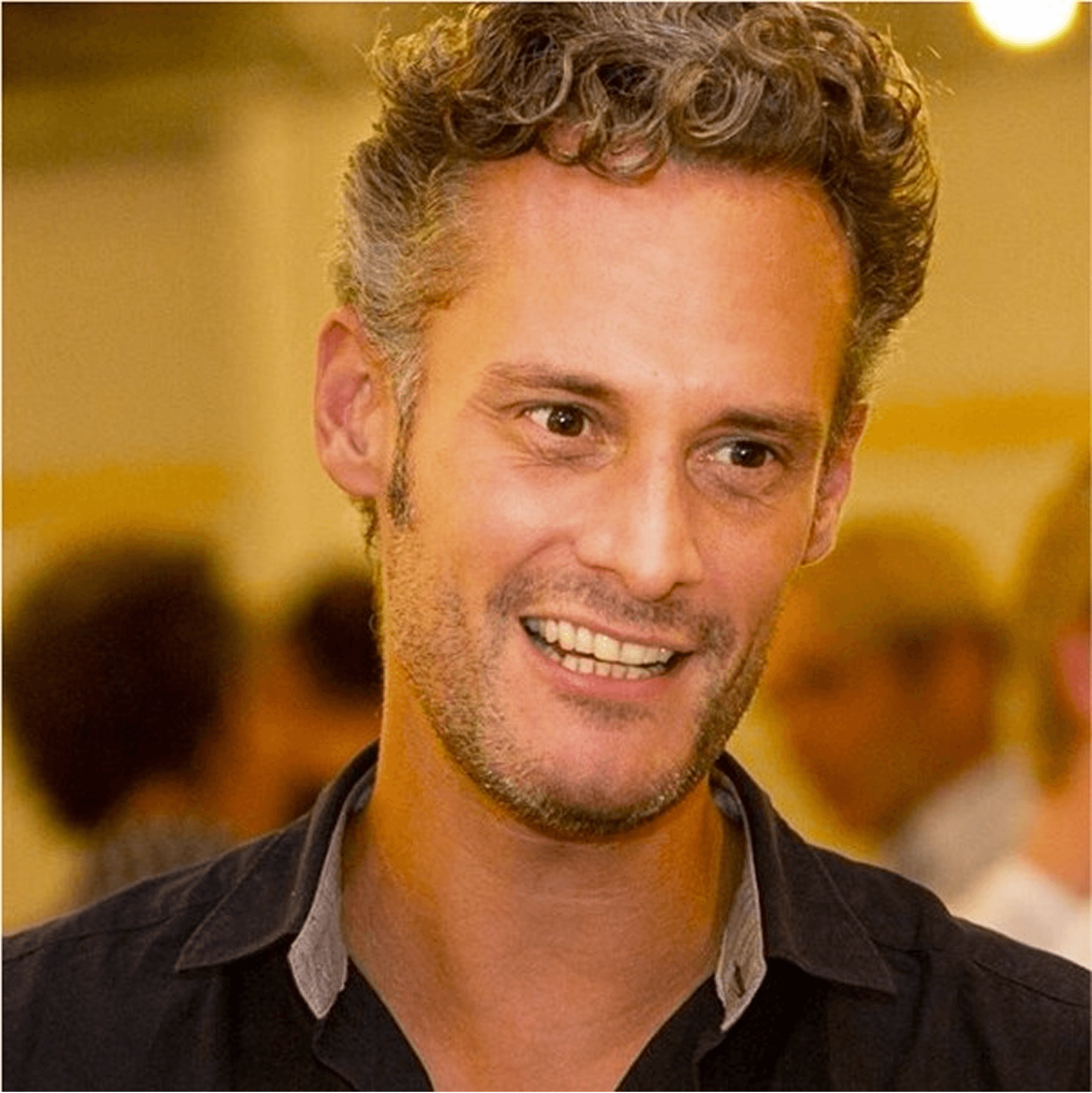
Martijn is Director Architecture & Technology at Rituals, where he is responsible for the technology strategy and architecture behind the company's digital platforms. He has spent more than 25 years working in software development and e-commerce, including many years applying the principles now associated with MACH architecture. His focus is firmly pragmatic: using architecture to solve real business problems, improve customer experiences, and help teams deliver with greater speed and control. More recently, his work has increasingly focused on the practical role of AI in software development, digital commerce, and the evolution of modern technology organisations.
.png&w=3840&q=75)
Head of Architecture at Pierce Group
Paweł Kalita is Head of Architecture at Pierce Group, a European e-commerce company selling motorcycle and powersports gear. He has spent 18 years in software across telco, insurance and e-commerce, working as developer, team lead and architect, mostly in enterprise Java. For the past three years he has driven Pierce's architecture through the arrival of LLM and agentic development, including a rebuild of the group's product search on Typesense that he shipped himself, written end to end with Claude Code.
Discovery is shifting at pace, and search tools are shifting rapidly with the consumer landscape. Pratyush will walk through the journey to build a new AI-created tool that crosses regions, focusing on revenue performance, the total cost of ownership (TCO), change management and measuring success. Is this a game changing moment?

Head of Responsible AI at Decathlon
Pratyush Sinha is a technical AI executive and hands-on leader with 18 years of experience across global technology, retail and AI consulting. He leads the Applied AI organisation at Decathlon, where he directs a 20-person team building multi-agent search and retrieval platforms deployed across 12 European languages. Previously, as Global Director at IKEA, he built and launched a product recommender across 80 countries that delivered EUR90M in incremental revenue. His work spans enterprise AI architecture, responsible AI governance and the full path from ambition to systems in production. He holds an MBA from HEC Paris and a BSc in Computer Science from NIT Surat.